Faith Guide
for meaningful conversations
Islam
Muslim
Atheist
Doesn't believe in God
Mormonism
LDS
Jehovah Witness
JWs
Hinduism
Hindu
Agnostic
Uncertain
Meaningful conversations with people of different faiths begin with humility, curiosity, and genuine respect. Rather than approaching dialogue as a debate to win, we can see it as an opportunity to listen, learn, and build trust. Asking thoughtful questions about someone’s beliefs, values, and experiences opens the door to deeper understanding.

Islam (Muslim)
CORE BELIEFS: 🪨
Belief in one God (Allah), Muhammad as the final prophet, Qur’an as the perfect revelation, salvation by works and submission to Allah. Denial of Jesus’ divinity and crucifixion.
KEY DIFFERENCES: ⇄
Islam rejects the Trinity, Jesus’ death and resurrection, and salvation by grace. Salvation is earned through obedience rather than faith in Christ.
COMMON OBJECTIONS: 🛑
“Jesus was just a prophet, not God.”
“The Bible is corrupted; only the Qur’an is reliable.”
“Faith alone is not enough for salvation.”
BIBLICAL RESPONSES: ✝️
Jesus is fully God and fully man (John 1:1, Col 2:9). God’s Word is trustworthy (2 Tim 3:16). Salvation is by grace through faith (Eph 2:8-9).
SEEDS TO PLANT: 🌱
"Do you know that the claim that the bible has been corrupted is not supported by the historical evidence?"
The truth is that the bible is the most well-preserved ancient document in human history. Because there are over 25,000 pieces of manuscript evidence scholars can compare thousands of copies across different centuries and regions, which has proven the Bible we have today is over 99% textually consistent. The less than 1% difference is mere grammatical differences or spelling errors from scribes, nothing that has any significance whatsoever.
"Do you know that there is evidence outside of the Bible that supports Jesus was crucified?"
The famous Roman and anti-Christian historian Tacitus directly speaks to Jesus's crucifixion under Pontius Pilate in his work (Annals 15.44).
"Do you know that Jesus claimed to be God so many times it actually led him to be crucified?"
In Exodus 3:13-14 when Moses is talking to God through the burning bush, he asks God what His name is so that he can tell the Israelites should they ask him. God replies "I AM WHO I AM." Say this to the people of Israel: 'I AM has sent me to you.'"
Then in John 8:56-59 when Jesus's authority was being doubted by the pharisees, Jesus replied "Truly, Truly, I say to you, before Abraham was, I am" claiming the same name God gave himself when speaking to Moses.
There was no mistake in what Jesus was claiming, which is why the Jews immediately picked up stones to stone him in the next verse.
“When you die how do you know if you'll go to Heaven?"
The uncertainty of not knowing if your good deeds outweighed your bad sounds terrifying.
That's what makes Christianity different, salvation cannot be earned but only given through faith in Jesus Christ. When you die you don't have to hope you've "done enough." Rather, you can rest knowing Jesus did it all for you.
VERSES: 🔖
John 1:1-14 John 14:6 Ephesians 2:8-9 Romans 3:23-24
TONE TIPS: 💬
Respectful, patient, humble. Avoid debating; ask questions and listen. Emphasize common belief in one God to build bridge.

Atheist (God doesn't exist)
CORE BELIEFS: 🪨
Does not believe in God or any deity. Often values reason, science, or secular morality.
KEY DIFFERENCES: ⇄
Denies God’s existence, often rejects Scripture, salvation, and spiritual matters.
COMMON OBJECTIONS: 🛑
“There’s no evidence for God.”
“The Bible is just a human book.”
“Morality doesn’t need God.”
BIBLICAL RESPONSE: ✝️
God is revealed in creation (Romans 1:20).
Scripture is God-breathed and trustworthy (2 Tim 3:16).
Faith in Jesus brings eternal life (John 3:16).
SEEDS TO PLANT: 🌱
“Why is there order, design, or moral law in the universe?”
“Could there be life beyond what science can test?”
“What would it take to convince you God exists?”
VERSES: 🔖
Romans 1:20 John 3:16 2 Timothy 3:16-17 Psalm 19:1
TONE TIPS: 💬
Reasonable, logical, evidence-focused. Ask questions, don’t mock. Build curiosity before argument.
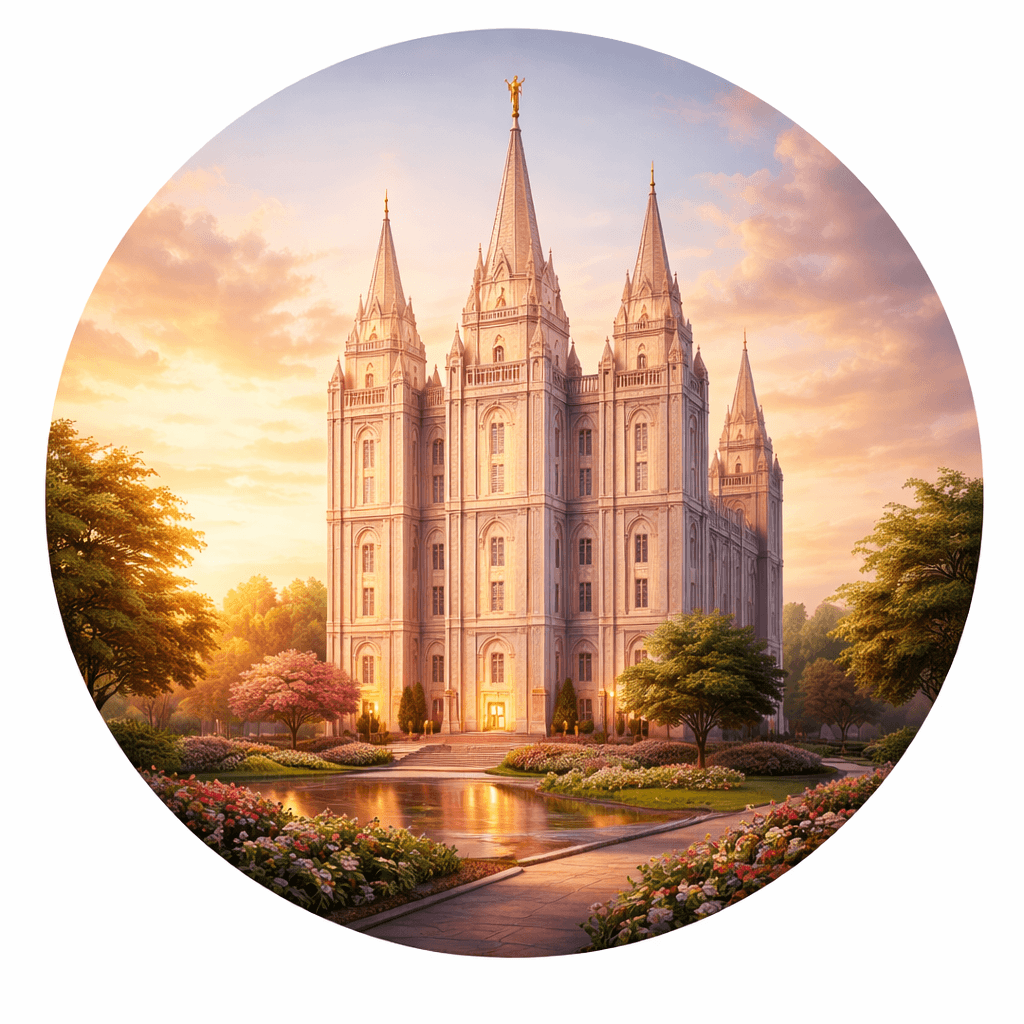
Mormonism (LDS)
CORE BELIEFS: 🪨
Belief in the Book of Mormon as additional scripture, God was once a man, humans can become gods, salvation involves faith + works + ordinances.
KEY DIFFERENCES: ⇄
Rejects Trinity (Godhead = separate beings), Jesus’ nature differs, extra-biblical scripture, works-based salvation.
COMMON OBJECTIONS: 🛑
"We have the Book of Mormon in addition to the Bible.”
“God was once a man.”
“Exaltation requires following LDS ordinances.”
BIBLICAL RESPONSE: ✝️
God is eternal and unchanging (Mal 3:6, Heb 13:8).
Salvation is by grace through faith, not works (Eph 2:8-9).
Scripture alone is sufficient (2 Tim 3:16-17).
SEEDS TO PLANT: 🌱
"Do you know who was the first in the Bible to tell humans that they could become like God?"
It was actually Satan in Genesis 3:4, when he tempted Eve to eat the fruit God commanded they not eat of - "For God knows that when you eat of it your eyes will be opened, and you will be like God, knowing good and evil."
I find it fascinating that Satan was the first to put the idea in our minds that we can be like God, and that same pattern is repeated in Mormonism.
If you listen to the Bible and the book of Mormon, how do you decide which to follow when there's a contradiction?
For example, the book of Mormon clearly says at the end of 2 Nephi 25:23 "For we know that it is by grace that we are saved, after all we can do."
Whereas, the Bible clearly says the opposite in Galatians 5:4 "You are severed from Christ, you who would be justified by the law; you have fallen away from grace."
With something as important as salvation, why would you believe the Book of Mormon that was written over 1,700 years after the New Testament by someone who didn't even live during the time of Jesus; over the Apostle Paul who lived during Jesus's life and was a first hand witness?
The truth is works are the byproduct of salvation, not the precursor.
VERSES: 🔖
Ephesians 2:8-9 2 Timothy 3:16-17 John 1:1-14
TONE TIPS: 💬
Respectful and curious. Ask clarifying questions, avoid attacking LDS scripture. Focus on grace, not condemnation.

Jehovah's Witness (JW)
CORE BELIEFS: 🪨
Deny Trinity, Jesus is a created being, reject hell, use their translation (NWT), salvation requires works and loyalty to Watchtower teachings.
KEY DIFFERENCES: ⇄
Deny deity of Christ, the Holy Spirit is not God, salvation tied to organization obedience, reject eternal punishment in hell.
COMMON OBJECTIONS: 🛑
“Jesus is God’s first creation.”
“Only Jehovah’s Witnesses are saved.”
“Hell is just the grave.”
BIBLICAL RESPONSE: ✝️
Jesus is God (John 1:1, Col 2:9).
God’s Spirit is fully God (Acts 5:3-4).
Salvation is by grace through faith, not works (Eph 2:8-9).
SEEDS TO PLANT: 🌱
“Where in the Bible does it say Jesus was created?”
“Does following humans save someone or trusting God?”
“How do you know the NWT is more accurate than original texts?”
VERSES: 🔖
John 1:1 Colossians 2:9 Ephesians 2:8-9 Acts 5:3-4
TONE TIPS: 💬
Gentle, non-confrontational. Listen carefully; they respond to scripture. Ask questions rather than argue.

Hinduism (Hindu)
CORE BELIEFS: 🪨
Polytheism or pantheism, reincarnation, karma, enlightenment through works, devotion, or meditation. Salvation through liberation (moksha).
KEY DIFFERENCES: ⇄
Rejects Jesus as Savior, focuses on self-effort and cycles of rebirth. God’s plan is impersonal.
COMMON OBJECTIONS: 🛑
“We all are God; the divine is in everything.”
“Life is about karma, not faith in one God.”
“Jesus is just one teacher among many.”
BIBLICAL RESPONSE: ✝️
God is personal and distinct (Isaiah 43:11, John 14:6).
Salvation is by grace through faith in Jesus (Eph 2:8-9).
Rebirth is not the solution for sin (Romans 6:23).
SEEDS TO PLANT: 🌱
“Can karma remove guilt before a holy God?”
“Does being ‘part of God’ fix the problem of sin?”
“Why choose Jesus over many teachers?”
VERSES: 🔖
John 14:6 Romans 3:23 Ephesians 2:8-9 Isaiah 43:11
TONE TIPS: 💬
Respect cultural background. Focus on sin, grace, and Jesus as Savior. Ask questions, avoid attacking gods or rituals.

Agnostic (Uncertain)
CORE BELIEFS: 🪨
Unsure about God’s existence; may lean toward theism or atheism. Values evidence or philosophical reasoning.
KEY DIFFERENCES: ⇄
Uncertainty about God. May reject claims of absolute knowledge, but is often open to discussion.
COMMON OBJECTIONS: 🛑
“I don’t know if God exists.”
“Faith without proof is hard for me.”
“I need evidence before believing.”
BIBLICAL RESPONSE: ✝️
God reveals Himself to those who seek Him (Jer 29:13, John 7:17).
Faith is trusting what God has revealed (Hebrews 11:6).
Evidence of God exists in creation (Romans 1:20).
SEEDS TO PLANT: 🌱
“What would convince you God exists?”
“Do you think it’s possible to know God personally?”
“How do you decide what’s true?”
VERSES: 🔖
Hebrews 11:6 Romans 1:20 Jeremiah 29:13 John 7:17
TONE TIPS: 💬
Patient, curious, non-judgmental. Emphasize seeking, not attacking. Focus on God’s invitation to know Him personally.
Atheist (God doesn't exist)
CORE BELIEFS: 🪨
Does not believe in God or any deity. Often values reason, science, or secular morality.
KEY DIFFERENCES: ⇄
Denies God’s existence, often rejects Scripture, salvation, and spiritual matters.
COMMON OBJECTIONS: 🛑
“There’s no evidence for God.”
“The Bible is just a human book.”
“Morality doesn’t need God.”
BIBLICAL RESPONSE: ✝️
God is revealed in creation (Romans 1:20).
Scripture is God-breathed and trustworthy (2 Tim 3:16).
Faith in Jesus brings eternal life (John 3:16).
SEEDS TO PLANT: 🌱
“Why is there order, design, or moral law in the universe?”
“Could there be life beyond what science can test?”
“What would it take to convince you God exists?”
VERSES: 🔖
Romans 1:20 John 3:16 2 Timothy 3:16-17 Psalm 19:1
TONE TIPS: 💬
Reasonable, logical, evidence-focused. Ask questions, don’t mock. Build curiosity before argument.
Mormonism (LDS)
CORE BELIEFS: 🪨
Belief in the Book of Mormon as additional scripture, God was once a man, humans can become gods, salvation involves faith + works + ordinances.
KEY DIFFERENCES: ⇄
Rejects Trinity (Godhead = separate beings), Jesus’ nature differs, extra-biblical scripture, works-based salvation.
COMMON OBJECTIONS: 🛑
"We have the Book of Mormon in addition to the Bible.”
“God was once a man.”
“Exaltation requires following LDS ordinances.”
BIBLICAL RESPONSE: ✝️
God is eternal and unchanging (Mal 3:6, Heb 13:8).
Salvation is by grace through faith, not works (Eph 2:8-9).
Scripture alone is sufficient (2 Tim 3:16-17).
SEEDS TO PLANT: 🌱
"Do you know who was the first in the Bible to tell humans that they could become like God?"
It was actually Satan in Genesis 3:4, when he tempted Eve to eat the fruit God commanded they not eat of - "For God knows that when you eat of it your eyes will be opened, and you will be like God, knowing good and evil."
I find it fascinating that Satan was the first to put the idea in our minds that we can be like God, and that same pattern is repeated in Mormonism.
If you listen to the Bible and the book of Mormon, how do you decide which to follow when there's a contradiction?
For example, the book of Mormon clearly says at the end of 2 Nephi 25:23 "For we know that it is by grace that we are saved, after all we can do."
Whereas, the Bible clearly says the opposite in Galatians 5:4 "You are severed from Christ, you who would be justified by the law; you have fallen away from grace."
With something as important as salvation, why would you believe the Book of Mormon that was written over 1,700 years after the New Testament by someone who didn't even live during the time of Jesus; over the Apostle Paul who lived during Jesus's life and was a first hand witness?
The truth is works are the byproduct of salvation, not the precursor.
VERSES: 🔖
Ephesians 2:8-9 2 Timothy 3:16-17 John 1:1-14
TONE TIPS: 💬
Respectful and curious. Ask clarifying questions, avoid attacking LDS scripture. Focus on grace, not condemnation.
Jehovah's Witness (JW)
CORE BELIEFS: 🪨
Deny Trinity, Jesus is a created being, reject hell, use their translation (NWT), salvation requires works and loyalty to Watchtower teachings.
KEY DIFFERENCES: ⇄
Deny deity of Christ, the Holy Spirit is not God, salvation tied to organization obedience, reject eternal punishment in hell.
COMMON OBJECTIONS: 🛑
“Jesus is God’s first creation.”
“Only Jehovah’s Witnesses are saved.”
“Hell is just the grave.”
BIBLICAL RESPONSE: ✝️
Jesus is God (John 1:1, Col 2:9).
God’s Spirit is fully God (Acts 5:3-4).
Salvation is by grace through faith, not works (Eph 2:8-9).
SEEDS TO PLANT: 🌱
“Where in the Bible does it say Jesus was created?”
“Does following humans save someone or trusting God?”
“How do you know the NWT is more accurate than original texts?”
VERSES: 🔖
John 1:1 Colossians 2:9 Ephesians 2:8-9 Acts 5:3-4
TONE TIPS: 💬
Gentle, non-confrontational. Listen carefully; they respond to scripture. Ask questions rather than argue.
Hinduism (Hindu)
CORE BELIEFS: 🪨
Polytheism or pantheism, reincarnation, karma, enlightenment through works, devotion, or meditation. Salvation through liberation (moksha).
KEY DIFFERENCES: ⇄
Rejects Jesus as Savior, focuses on self-effort and cycles of rebirth. God’s plan is impersonal.
COMMON OBJECTIONS: 🛑
“We all are God; the divine is in everything.”
“Life is about karma, not faith in one God.”
“Jesus is just one teacher among many.”
BIBLICAL RESPONSE: ✝️
God is personal and distinct (Isaiah 43:11, John 14:6).
Salvation is by grace through faith in Jesus (Eph 2:8-9).
Rebirth is not the solution for sin (Romans 6:23).
SEEDS TO PLANT: 🌱
“Can karma remove guilt before a holy God?”
“Does being ‘part of God’ fix the problem of sin?”
“Why choose Jesus over many teachers?”
VERSES: 🔖
John 14:6 Romans 3:23 Ephesians 2:8-9 Isaiah 43:11
TONE TIPS: 💬
Respect cultural background. Focus on sin, grace, and Jesus as Savior. Ask questions, avoid attacking gods or rituals.
Agnostic (Uncertain)
CORE BELIEFS: 🪨
Unsure about God’s existence; may lean toward theism or atheism. Values evidence or philosophical reasoning.
KEY DIFFERENCES: ⇄
Uncertainty about God. May reject claims of absolute knowledge, but is often open to discussion.
COMMON OBJECTIONS: 🛑
“I don’t know if God exists.”
“Faith without proof is hard for me.”
“I need evidence before believing.”
BIBLICAL RESPONSE: ✝️
God reveals Himself to those who seek Him (Jer 29:13, John 7:17).
Faith is trusting what God has revealed (Hebrews 11:6).
Evidence of God exists in creation (Romans 1:20).
SEEDS TO PLANT: 🌱
“What would convince you God exists?”
“Do you think it’s possible to know God personally?”
“How do you decide what’s true?”
VERSES: 🔖
Hebrews 11:6 Romans 1:20 Jeremiah 29:13 John 7:17
TONE TIPS: 💬
Patient, curious, non-judgmental. Emphasize seeking, not attacking. Focus on God’s invitation to know Him personally.